
Conservation & Threats
The Komodo dragon is more than an iconic tourist attraction — it is an Endangered species with only ~3,000 individuals (~1,400 mature adults per IUCN 2021) left in the wild. Explore the data, the threats, and the solutions that will determine its survival.
Why Conservation Matters Now More Than Ever
In 2021, the IUCN Red List reclassified the Komodo dragon from Vulnerable to Endangered — a sobering upgrade that reflected new data on population trends, habitat loss, and climate vulnerability. The decision was not taken lightly. It was based on comprehensive modeling by an international team of herpetologists, ecologists, and conservation biologists who projected that suitable habitat could shrink by 30–40% by 2050 under moderate warming scenarios.
The threats are multifaceted and interconnected. Climate change is raising temperatures beyond the thermal tolerance of eggs, producing increasingly male-biased sex ratios. Sea-level rise threatens to submerge low-lying coastal nesting beaches on Komodo and Rinca. Overtourism degrades trails, disturbs nesting sites, and alters dragon behavior around human settlements. And illegal poaching — though less visible — remains a persistent threat to both dragons and their prey.
Yet there is reason for hope. Indonesia has invested heavily in ranger training, habitat restoration, and community-based conservation. International NGOs have partnered with local universities to monitor populations using camera traps and genetic sampling. And a growing movement of responsible tourists is proving that visitation and conservation can coexist.
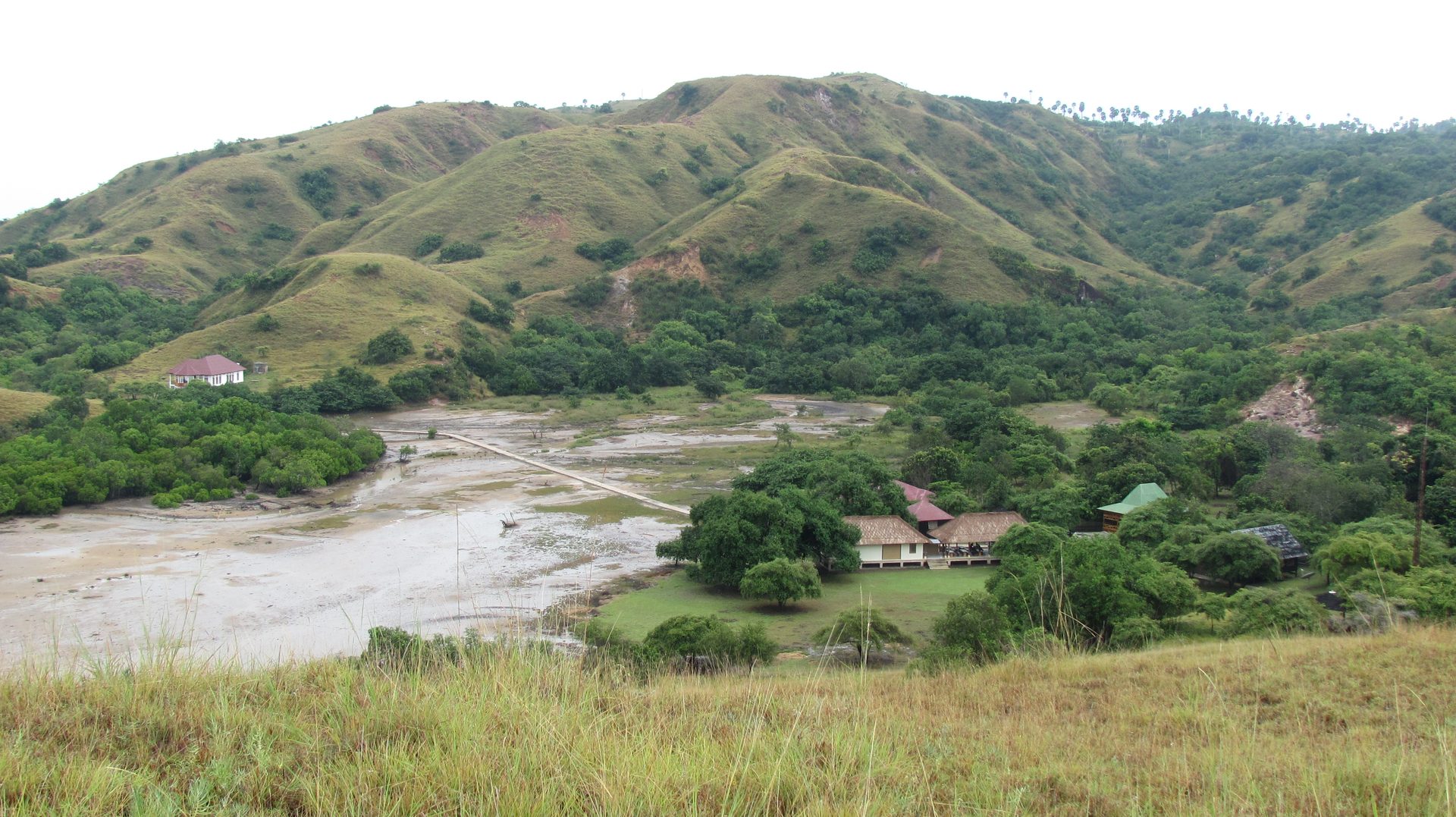
Upgraded to Endangered in 2021 due to projected habitat loss and population decline.
Deep-Dive Conservation Articles
Expert-written analyses of the threats facing Komodo dragons and the conservation strategies that offer real hope for their future.
Current Komodo Dragon Population: 2026 Data and Future Trends
The latest population estimates, distribution across islands, demographic trends, and what the data reveal about the future of the world's largest lizard.
Climate Change: A Real Threat to Komodo Dragon Habitat
Rising temperatures, shifting rainfall patterns, and altered prey availability are reshaping the islands. Here is what the science says about climate risk.
Sea Level Rise: Islands Threatened by Submersion
With maximum elevations under 800 meters and narrow coastal flats, Komodo's islands are acutely vulnerable to rising seas. Which habitats are most at risk?
Overtourism in Komodo: Impact of 1000+ Visitors per Day
Tourism brings revenue and awareness — but also trail erosion, wildlife disturbance, and waste pressure. We analyze the 1,000-person daily quota and its real-world effects.
Illegal Poaching and Wildlife Trade Around Komodo
Despite full legal protection, Komodo dragons face threats from illegal capture, wildlife trafficking networks, and prey poaching. Learn about enforcement challenges.
Successful Komodo Conservation Initiatives: Global Case Studies
From breeding programs and community-based conservation to international NGO partnerships — discover what is working and what can be scaled.
How Tourists Can Contribute to Komodo Conservation
Every visitor has a role to play. From choosing ethical operators and respecting wildlife distances to supporting local economies — here is your actionable guide.
The Five Critical Threats
Komodo dragons face a convergence of anthropogenic and natural pressures. Understanding each threat is the first step toward effective conservation.
Climate Change
Rising temperatures skew sex ratios toward males, reduce prey productivity, and increase the frequency of extreme weather events that destroy nests.
Sea Level Rise
Low-lying coastal nesting beaches on Komodo and Rinca face inundation. Even modest sea-level rise could eliminate critical habitat on smaller islands.
Overtourism
Trail erosion, waste accumulation, and behavioral changes in dragons exposed to constant human presence threaten both habitat and animal welfare.
Illegal Poaching
Despite strict laws, illegal capture for the exotic pet trade and poaching of prey species continue to pressure dragon populations.
Habitat Fragmentation
Dragon populations are already fragmented across five core islands (Komodo, Rinca, Padar, Gili Motang, and Flores). Climate-driven habitat loss and human development on Flores further isolate subpopulations, reducing gene flow and increasing the risk of local extinction. Small island populations are especially vulnerable to stochastic events like disease outbreaks, volcanic eruptions, or tsunamis.
What This Means for You
Your Visit Has Impact
Every entry fee funds anti-poaching patrols, ranger salaries, and habitat monitoring. Choosing a licensed operator ensures your money supports conservation.
Timing Matters
Visiting during shoulder seasons (April–May, September–October) reduces pressure on trails and spreads economic benefit across the year.
Behavior Choices Add Up
Staying on marked trails, maintaining distance from wildlife, and packing out all waste are small actions with cumulative conservation benefit.
Spread Awareness
Sharing accurate information about Komodo dragon conservation helps build the public support necessary for policy action and funding.
Conservation at a Glance
- IUCN Status
- Endangered (2021)
- CITES Appendix
- Appendix I
- Estimated Population
- ~3,000 (~1,400 mature)
- Range
- 5 core islands
- Primary Threat
- Climate change
- National Protection
- Protected since 1980
- Daily Visitor Quota
- 1,000 people
Did You Know?
Komodo dragons have temperature-dependent sex determination (TSD). When nest temperatures exceed approximately 32°C (90°F), clutches produce almost exclusively males. Under climate change projections, many nesting beaches could reach these temperatures for extended periods — potentially skewing sex ratios to 90%+ male and collapsing reproductive output within decades.
Explore Other Pillars
Frequently Asked Questions
Quick answers to common questions about this topic.
What is the current conservation status of the Komodo dragon?
▼
The Komodo dragon (Varanus komodoensis) was reclassified from Vulnerable to Endangered on the IUCN Red List in 2021. This upgrade was driven by modelling that projects a 30–40% reduction in suitable habitat by 2050 under moderate climate-warming scenarios. The entire wild population of approximately 3,000–3,500 individuals is confined to Komodo National Park and a small area on Flores, making the species highly susceptible to localised threats.
What are the main threats to Komodo dragons?
▼
The primary threats are climate change (rising temperatures skewing egg sex ratios toward males, sea-level rise threatening nesting beaches), habitat fragmentation and loss (projections suggest 30–40% of suitable habitat lost by 2050), illegal poaching of both dragons and their prey species, and tourism-related disturbance to nesting and feeding sites. Disease and inbreeding in small island populations are secondary concerns that ongoing genetic monitoring tracks closely.
What conservation programmes protect Komodo dragons?
▼
Active programmes include ranger patrols and camera-trap monitoring by the Balai Taman Nasional Komodo (park authority), long-term population studies by the Komodo Survival Program (KSP), captive breeding and genetic banking at zoos including Houston Zoo and Antwerp Zoo, community-based anti-poaching initiatives in buffer-zone villages, and coral reef restoration projects that maintain the marine prey base. Indonesia's national KLHK ministry oversees policy, while international NGOs provide funding and technical expertise.
How does climate change threaten Komodo dragons specifically?
▼
Komodo dragons have temperature-dependent sex determination during incubation. Rising ambient temperatures increase the proportion of male hatchlings, creating demographic imbalances that reduce reproductive success over generations. Additionally, sea-level rise threatens low-lying coastal nesting beaches on Komodo and Rinca islands. Altered rainfall patterns affect vegetation cover and prey availability (Timor deer and wild boar populations), while ocean warming degrades the coral reefs that underpin the marine food web the entire island ecosystem depends on.
What can visitors do to support Komodo dragon conservation?
▼
Visitors can make a meaningful difference by booking through operators certified by the Komodo National Park authority, respecting the daily visitor quota (1,000 people) enforced via the SiOra booking system, following all ranger instructions and staying on designated trails, avoiding wildlife touching or feeding, choosing reef-safe sunscreens for diving, and supporting local guides and businesses directly. Donations to the Komodo Survival Program fund ranger training and population monitoring that are critical for the species' long-term survival.