
Marine & Terrestrial Ecosystems
Where the Coral Triangle's underwater marvels meet Wallacea's evolutionary frontier — explore the ecological forces that make Komodo one of Earth's most biodiverse regions.
Two Worlds, One Extraordinary Region
The waters surrounding Komodo National Park do not merely contain marine life — they contain the greatest concentration of marine biodiversity on Earth. This region sits at the southern edge of the Coral Triangle, a roughly triangular area encompassing Indonesia, Malaysia, Papua New Guinea, the Philippines, the Solomon Islands, and Timor-Leste. Within this 5.7 million square kilometer zone lives 76% of the world's coral species and 37% of all reef fish species.
Yet the story of Komodo's biodiversity extends far beneath the waves. The islands themselves belong to a broader biogeographic region known as Wallacea — a transition zone where Asian and Australian fauna meet, mingle, and evolve in isolation. Named after Alfred Russel Wallace, the 19th-century naturalist who first recognized its significance, Wallacea represents one of the most important evolutionary laboratories on our planet.
Understanding these ecosystems is not merely academic. The health of Komodo's reefs, the migration patterns of its fish, and the evolutionary pressures shaping its species all directly affect conservation policy, tourism management, and the livelihoods of local communities. Whether you are a diver, a naturalist, or simply a curious traveler, grasping the ecological context of Komodo transforms your experience from sightseeing to genuine understanding.
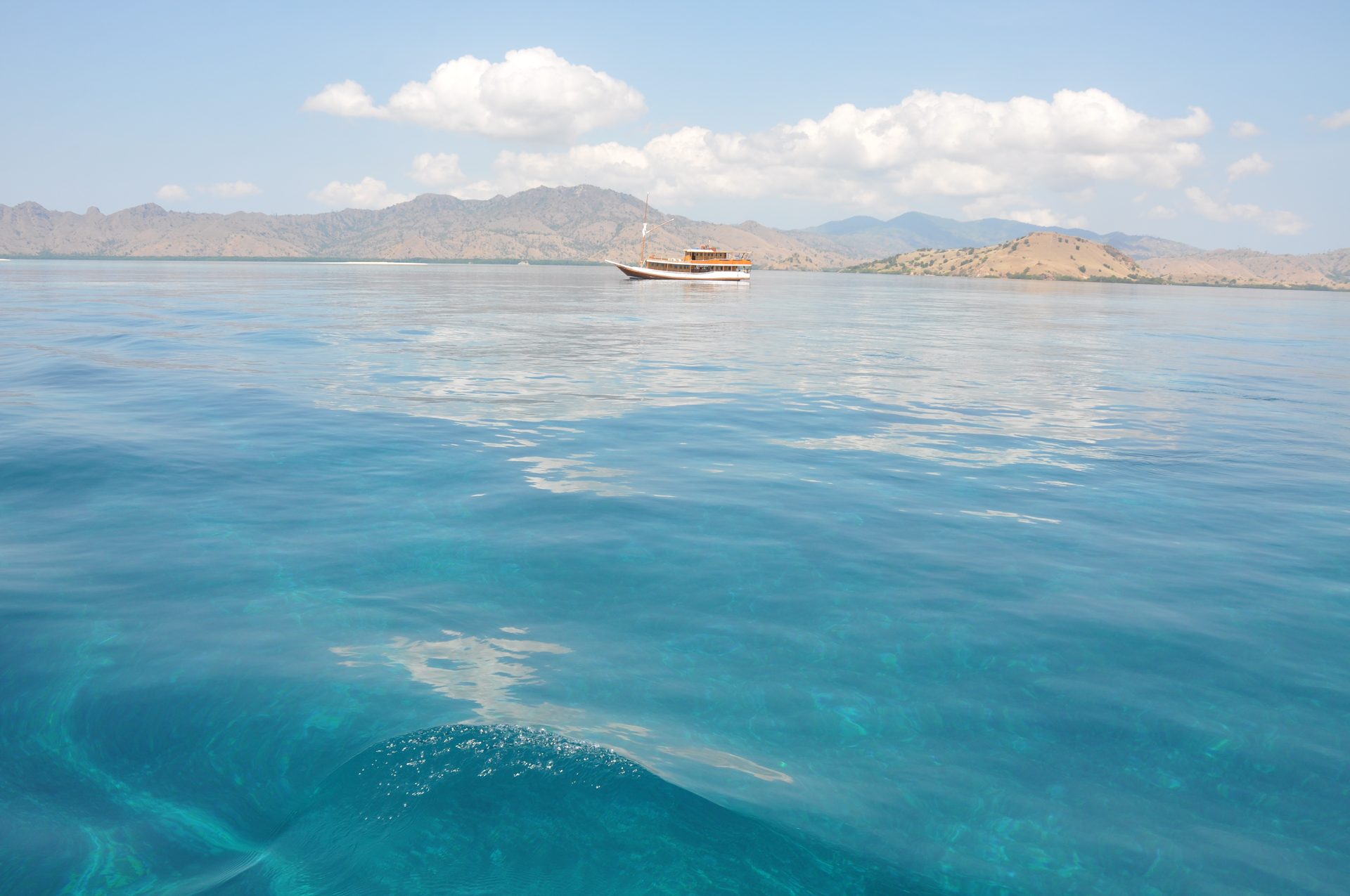
Coral Triangle & Wallacea Region, Lesser Sunda Islands, Indonesia
Deep-Dive Articles
Expert-written guides exploring the ecological foundations of Komodo's extraordinary biodiversity — from coral reef ecology to evolutionary biogeography.
Coral Triangle: The Heart of Global Marine Biodiversity
Discover why the Coral Triangle harbors 76% of the world's coral species and 37% of reef fish. Understand the oceanographic forces that make this region the richest marine ecosystem on Earth.
Wallacea: Indonesia's Unique Evolutionary Transition Zone
Journey through Wallacea — a biogeographic frontier where Asian and Australian species collide. Learn how plate tectonics, sea-level change, and isolation created one of Earth's most fascinating evolutionary laboratories.
Komodo Marine Biodiversity: 1000+ Species in Indonesian Waters
Dive deep into Komodo's marine biodiversity — over 1,000 fish species, 260 coral species, and countless invertebrates. Understand the ecological relationships that sustain this underwater paradise.
Terrestrial Biodiversity: Beyond the Dragon
Explore Wallacea’s remarkable terrestrial life — from giant rats and endemic birds to unique reptiles and flora that make the Komodo region a biogeographic crossroads.
Oceanography: Currents, Upwelling & Climate
Dive into the oceanographic forces shaping Komodo’s marine ecosystems — the Indonesian Throughflow, tidal currents of the Linta Strait, and upwelling zones.
Manta Rays: Biology, Behavior & Conservation
Encounter the graceful giants of Komodo’s waters — reef and oceanic manta rays, their migration patterns, and conservation challenges.
Essential Ecosystem Facts
Global Center of Marine Biodiversity
The Coral Triangle contains more coral and fish species than anywhere else on Earth — a biodiversity hotspot of unmatched significance.
Wallacea's Evolutionary Laboratory
A transition zone between Asian and Australian biogeographic realms, driving unique speciation patterns found nowhere else.
1,000+ Fish Species in Komodo Alone
Komodo National Park's marine waters document over 1,000 fish species — more than the entire Caribbean Sea.
260 Coral Species Thrive Here
Komodo's reefs harbor approximately 260 coral species — roughly 43% of all Indo-Pacific coral diversity.
What This Means for You
- Every dive is extraordinary: The density of marine life means even a single snorkel session can yield dozens of species.
- Evolution in action: Wallacea's transitional species offer a rare glimpse into how isolation drives speciation.
- Conservation matters: These ecosystems are globally significant — your responsible behavior protects a planetary treasure.
- Seasonal variation: Oceanographic conditions shift dramatically — understanding them helps you plan the best visits.
- Citizen science opportunities: Your observations — from manta rays to coral health — can contribute to real research.
Did You Know?
A single hectare of reef in the Coral Triangle can contain more fish species than the entire Caribbean Sea. This staggering comparison reveals why the Coral Triangle is not merely "biodiverse" — it is in a category entirely of its own, harboring marine life at densities that challenge our understanding of what ecosystems can sustain.
Explore Other Pillars
Frequently Asked Questions
Quick answers to common questions about this topic.
What is the Coral Triangle and why does Komodo sit within it?
▼
The Coral Triangle is a 5.7 million km² marine region spanning Indonesia, Malaysia, Papua New Guinea, the Philippines, the Solomon Islands, and Timor-Leste — widely recognised as the global centre of marine biodiversity. Komodo National Park lies at its southern edge. The region harbours 76% of the world's coral species and 37% of all reef fish species. The confluence of the Pacific and Indian Ocean currents in Komodo's waters drives extraordinary nutrient upwelling that sustains this exceptional diversity.
What marine life can be found in Komodo National Park?
▼
The park's waters host over 1,000 fish species, 260 coral species, manta rays, whale sharks, dugongs, at least four species of marine turtles, 14 species of cetaceans, and more than 70 species of nudibranchs. Strong upwelling currents make sites like Batu Bolong and Crystal Rock among the world's premier dive sites. The park is particularly renowned for oceanic manta ray aggregations, Komodo's large schools of fish, and vibrant hard-coral gardens in shallower zones.
What is Wallacea and how does it relate to Komodo's biodiversity?
▼
Wallacea is a biogeographic transition zone in central Indonesia, named after naturalist Alfred Russel Wallace, where Asian and Australian fauna meet and evolve in isolation. Komodo's islands fall within this zone, producing endemic and relict species found nowhere else. The Komodo dragon itself is considered a relict of a lineage that originated in Australia. The unique mix of Asian (mammals, birds) and Australian (reptiles, marsupials) biological elements makes Wallacea one of the world's most important evolutionary laboratories.
What terrestrial ecosystems exist in Komodo National Park?
▼
The park's land areas contain seasonally dry tropical forest, open savanna and grasslands, monsoon forest, and coastal mangroves. These habitats support over 200 terrestrial species, including Timor deer (the Komodo dragon's primary prey), water buffalo, wild boar, long-tailed macaques, orange-footed scrubfowl, and numerous raptor species. The dry monsoon forest covering much of Komodo Island gives it a distinctive gold-brown appearance in the dry season that contrasts sharply with the rich marine environment below the waterline.
Are the reefs in Komodo National Park healthy?
▼
Komodo's reefs are among the healthiest in Indonesia, partly due to the park's protected status since 1980 and active management by park rangers. However, they face ongoing threats from coral bleaching driven by El Niño warming events, destructive fishing practices in adjacent areas, and increased boat anchor damage from tourism. The park authority has established no-anchor zones and mooring buoy systems at key dive sites. Coral restoration programmes, using coral nursery techniques, are active at degraded sites within the marine protected area.