
Local Communities & Culture
The Komodo dragon does not live in isolation. For centuries, the Manggarai people and other communities of Flores have shared these islands with the world's largest lizard — weaving them into myth, livelihood, and identity.
People and Dragons, Coexisting for Centuries
Long before Komodo National Park was inscribed as a UNESCO World Heritage Site in 1991, the islands were home to communities who knew the giant lizards not as tourist attractions, but as neighbors, spirits, and omens. The Manggarai people — the dominant ethnic group of western Flores — developed a complex body of oral tradition, taboo, and practical knowledge around living alongside creatures they called ora.
Today, approximately 1.9 million people live on Flores, with the Manggarai regencies (West, East, and Central Manggarai) encompassing the areas closest to Komodo National Park. These communities face a unique challenge: balancing economic development driven by tourism, preserving centuries-old cultural practices, and maintaining their relationship with a landscape that is simultaneously their home and a global conservation priority.
This pillar explores the human dimension of the Komodo region — the cultures, languages, traditions, and daily lives of the people who make this place more than just a wildlife destination. Understanding local communities is not an optional add-on to responsible tourism. It is essential to visiting ethically, supporting conservation, and recognizing that the future of Komodo dragons is inseparable from the future of the people who live among them.
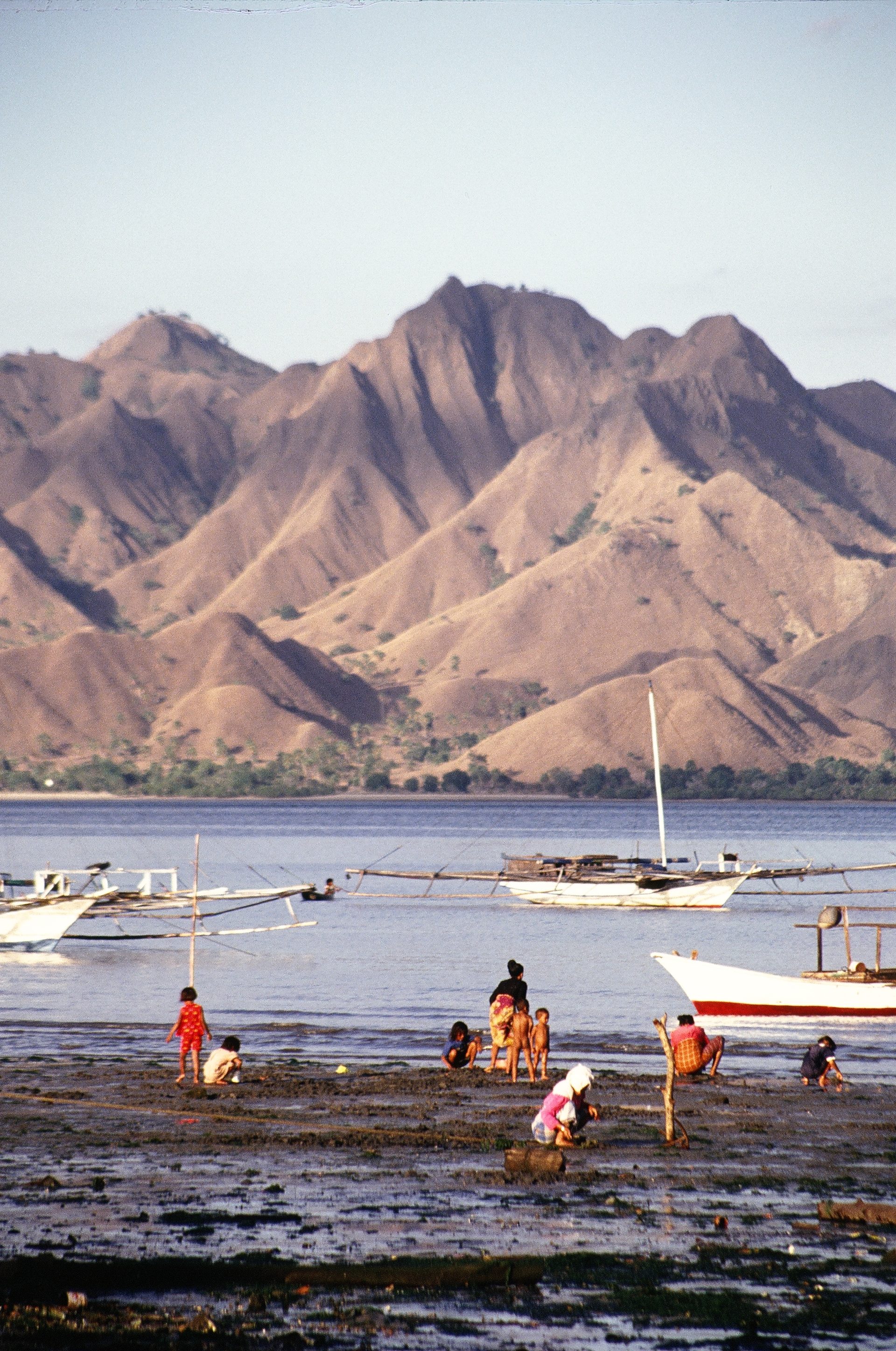
The Manggarai oral tradition preserves knowledge of Komodo dragons that predates Western science by centuries.
Deep-Dive Community & Culture Articles
Expert-written explorations of the people, traditions, and living cultures that define the human landscape of the Komodo region.
Flores People: Life Around Komodo National Park
Meet the fishing villages, farming communities, and coastal towns that form the human landscape around Komodo. Understand their daily lives, economic challenges, and relationship with the park.
Manggarai Tribe: Guardians of Tradition and Komodo Myths
Explore the rich heritage of the Manggarai people — from the legendary Caci whip dance and spiderweb rice fields to oral traditions that weave the Komodo dragon into spiritual cosmology.
Local Culture and Traditions to Preserve in the Komodo Region
From tenun ikat weaving and adat customary law to sacred sites and traditional ecological knowledge — discover the cultural treasures that make the Komodo region unique.
Manggarai People: Indigenous Custodians of Western Flores
Meet the Manggarai people — their language, traditions, Caci whip-fighting, lingko land system, and role in Komodo National Park governance.
Ata Modo: The Indigenous Komodo People
Discover the Ata Modo people — their endangered language, the twin-sibling myth of sebae, and the 2019 relocation crisis.
The Legend of Ora: Putri Naga Myth
Explore the Putri Naga myth — the twin-sibling origin story of the Komodo dragon that shapes Ata Modo cosmology and conservation ethics.
Labuan Bajo: From Anchorage to Super-Premium
Trace the explosive transformation of Labuan Bajo from a Bajo fishing anchorage to Indonesia's super-priority tourism destination.
The Cultural Landscape of Komodo
The Komodo region is more than biodiversity. It is a mosaic of languages, rituals, agricultural systems, and spiritual beliefs that have evolved alongside one of Earth's most remarkable predators.
Language Diversity
Western Flores is home to multiple Manggarai dialects, each encoding unique ecological knowledge. The Manggarai language includes specific terms for dragon behavior, seasonal cycles, and habitat types that have no direct translation.
Sacred Ecology
Traditional belief systems classify land into sacred, forbidden, and everyday zones. These classifications often align with modern conservation priorities, protecting water sources, nesting areas, and forest corridors.
Tourism Economy
Tourism now dominates the local economy around Labuan Bajo. While this brings income, it also disrupts traditional livelihoods, drives inflation, and creates new social hierarchies. Community-based tourism offers a more equitable model.
Oral Tradition
Manggarai mythology includes origin stories in which Komodo dragons are siblings, ancestors, or spiritual guardians. These narratives encode practical wisdom about dragon behavior and coexistence strategies.
Community-Based Conservation
The most successful conservation outcomes in Komodo National Park have involved local communities as partners rather than obstacles. Ranger programs now recruit heavily from Manggarai villages. Traditional ecological knowledge informs patrol routes, nesting site monitoring, and prey population assessments. Community-based tourism initiatives — homestays, guided village walks, craft cooperatives — redirect tourist revenue directly to local households. Yet challenges remain: land tenure disputes, unequal benefit distribution, and the tension between preserving tradition and embracing modernity. The future of Komodo conservation depends on making local communities genuine stakeholders in both the park's ecological health and its economic opportunities.
What This Means for You
Respect Sacred Sites
Many areas around the park hold spiritual significance. Ask permission before photographing ceremonies, entering villages, or visiting sacred springs.
Buy Local, Pay Fair
Purchase handicrafts directly from artisans, eat at local warungs, and choose community-based homestays over international chain hotels.
Learn Before You Visit
Basic Manggarai greetings, understanding of adat customs, and awareness of religious observances enrich your experience and show respect.
Support Cultural Preservation
Donate to organizations documenting oral traditions, fund village museums, or participate in cultural tourism that directly benefits tradition-bearers.
Communities at a Glance
- Primary Ethnic Group
- Manggarai
- Language Family
- Austronesian
- Dominant Religion
- Catholicism (~85%)
- Main Livelihoods
- Fishing, Farming, Tourism
- Regency Population
- ~650,000 (West Manggarai)
- Park Employment
- ~2,500 locals
- Community Ranger Program
- Active since 2010
Did You Know?
The Manggarai people traditionally refer to Komodo dragons as "ora" — a word that carries spiritual weight beyond simple naming. In some origin myths, the first ora emerged alongside the first humans from the same ancestral soil, making them kin rather than beasts. This cosmological relationship has historically discouraged hunting and fostered coexistence practices that modern conservation is only now formalizing into policy.
Explore Other Pillars
Frequently Asked Questions
Quick answers to common questions about this topic.
Who are the main ethnic groups living near Komodo National Park?
▼
The dominant group is the Manggarai people of western Flores, with approximately 1.9 million people living on Flores island and the Manggarai regencies bordering the park. The Ata Modo — believed to be the original inhabitants of Komodo Island — are a small and now largely dispersed community. The Bajau (or Bajo) sea-nomadic people have historically fished the park's waters and maintain coastal settlements around Labuan Bajo and on smaller islands. Each group carries distinct languages, traditions, and relationships with the Komodo landscape.
What do local communities call the Komodo dragon?
▼
The Manggarai people of Flores and the original Komodo Island inhabitants call the Komodo dragon "ora." The term appears in oral traditions, taboo systems, and mythologies that predate Western scientific documentation by centuries. In Manggarai belief, the ora holds spiritual significance — some traditions regard it as a reincarnation of ancestors or a guardian spirit. This cultural framework shaped local coexistence strategies with the animals long before formal conservation policies existed.
What is the Caci whip-fighting tradition of the Manggarai?
▼
Caci is a ritual whip-fighting ceremony practiced by the Manggarai people of Flores, traditionally performed during harvest festivals (like Penti) and communal celebrations. Two male fighters face each other: one wields a whip, the other defends with a hide shield. Ceremonial dress, chanting, and drumming accompany the bouts. Caci is not merely combat — it is a social ritual that reinforces community bonds, displays bravery, and gives thanks for harvests. It is one of the most visually distinctive cultural practices visitors to the Manggarai regency can observe.
How has tourism affected local communities around Komodo?
▼
Tourism has brought significant economic growth to Labuan Bajo and surrounding villages, particularly after the government designated it a "Super Priority Destination" in 2019. However, rapid development has also created tensions: rising land values have displaced some fishing communities, wealth distribution has been uneven, and cultural commodification risks eroding authentic traditions. Positive impacts include employment for local guides and boat crews, growth in home-stays and local food businesses, and funding for community conservation education programmes.
Are there indigenous rights issues in Komodo National Park?
▼
Yes. The most significant case was the 1970s–1990s resettlement of the Ata Modo community from Komodo Island to Flores, carried out by the Indonesian government to facilitate national park management. This displacement severed ancestral ties to the land and disrupted traditional livelihoods. Today, advocacy organisations and academic researchers are documenting Ata Modo oral history and pushing for recognition of community land rights within park buffer zones. The broader Manggarai community also faces ongoing negotiation over customary land rights as tourism infrastructure expands.